Zakat Nisab
Why to choose Zakat Nisab 2025 when paying Zakwat
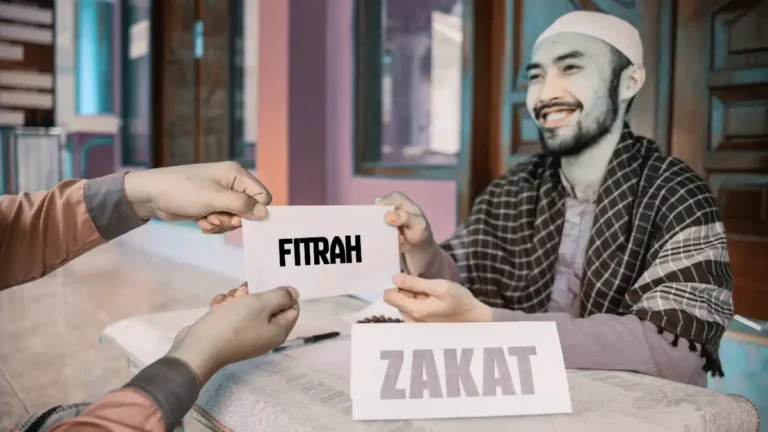
Zakat 5 pillars of Islam, is often explained in a simple, relatable way: it is like cleaning your money the way we wash our hands. Every year, when a Muslim has enough wealth, they give a small portion to people who are poor, hungry, or in need.
This giving is not a favor — it is a right of the needy on our wealth. Just as praying and fasting are important duties, Zakat nisab on cash is a moral and spiritual obligation that purifies the heart from greed and encourages generosity. It teaches us sharing, caring, helping without showing off, and strengthening our communities.
Allah says in the Qur’an that in the wealth of the rich, there is a fixed right for the one who asks and the one who has no one to ask. But how do we know how much to give? This is where the concept of Niṣāb in Islam comes in.
What is Niṣāb today?
Zakat Niṣāb amount is the minimum amount for Zakat bligation. A Muslim becomes liable to pay Zakat only if their wealth exceeds this threshold for a full lunar year. Islam defines two Niṣāb standards — one is based on Zakat nisab in gold and one on silver.
Historically, Zakat Niṣāb on gold equals 20 dinars (≈ 85 grams), and silver Niṣāb equals 200 dirhams (≈ 612 grams). Both Nisab thresholds were valid in the early Islamic era and were chosen to accommodate different forms of wealth held by people at that time.
Why Two Standards?
In the era of the Prophet Muhammad (peace be upon him), gold and silver were primary currencies. Wealth could exist in either form, so having dual thresholds ensured fairness. Gold and silver were equivalent in value back then, but over centuries, silver became much less expensive compared to gold.
This divergence has modern implications. If one uses the Zakat Niṣāb for gold today, many people with modest wealth might not reach the threshold, and Zakat could go unpaid — depriving the needy of support. Using silver Niṣāb lowers the threshold, ensuring more people contribute and more people benefit.
Historical Practice
Early Islamic governments, including the administration of the Bayt al-Māl (public treasury), collected Zakat based on Niṣāb and distributed it to the poor, the needy, travelers, and debtors. They accounted for gold, silver, livestock, crops, and trade goods. This system ensured that Zakat served both as personal purification and as a social welfare mechanism.
In countries like Saudi Arabia, historical records show that Zakat Niṣāb value used the actual value of gold and silver, adjusting distribution according to the community’s needs. In modern Pakistan, most people hold wealth as cash, bank deposits, or business assets rather than coins. For this reason, scholars recommend using silver-based Niṣāb, as it better serves the purpose of helping the poor.
Ethical Considerations
Some might wonder if it’s fair for someone poorer to pay Zakat using silver Niṣāb while a wealthier person might avoid it if they use gold. Islamic scholars emphasize the spirit of Zakat: purifying wealth and supporting the needy. Choosing the lower silver threshold today is both ethical and in line with the original purpose of Zakat. Wealthy individuals should also consider their total assets carefully, as using Zakat Niṣāb silver is a safer way to fulfill this obligation.
Practical Guidance for Pakistanis
For Muslims in Pakistan today:
- Use Zakat Niṣāb in Islam value as per silver rate or gold rate, bank balances, trade goods, business inventory, or investments.
- Use gold Niṣāb only for actual gold coins, bullion, or jewelry.
- Ensure that wealth stays above Zakat Niṣāb for money for one full lunar year.
- Pay 2.5% of net Zakatable wealth once Zakat Niṣāb for cash is reached.
This approach aligns with Islamic law, the Hadith, and ethical fairness. It ensures that Zakat continues to support the needy, purify wealth, and strengthen communities, just as it did in early Islamic governance. We have zakat nisab calculator free shows how to calculate nisab for zakat.
Bottom line
Understanding your financial threshold helps you manage wealth responsibly, stay aligned with ethical giving, and support those in need. Clear calculations ensure accuracy, transparency, and confidence in every contribution you make.
FAQs For Zakat